Buy Bitcoin Safely
The Complete Guide to Bitcoin Investment
Discover everything you need to know about Bitcoin - from understanding the technology to making your first investment on trusted platforms. Start your journey to financial freedom today.
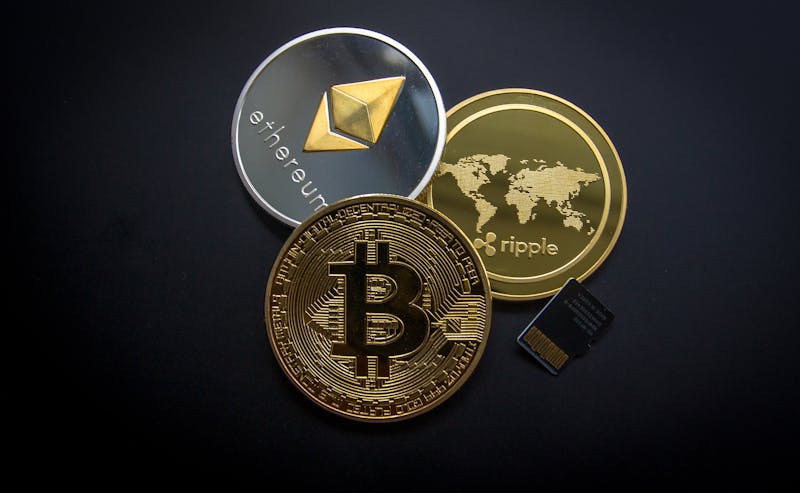
What is Bitcoin?
Bitcoin is the world's first decentralized cryptocurrency, created in 2009 by an anonymous person or group known as Satoshi Nakamoto. Unlike traditional currencies issued by governments (fiat money), Bitcoin operates on a peer-to-peer network without the need for intermediaries like banks.
At its core, Bitcoin is a digital asset designed to work as a medium of exchange that uses cryptography to control its creation and management, rather than relying on central authorities. The cryptocurrency's maximum supply is capped at 21 million coins, making it a scarce digital resource similar to gold.
Key Characteristics
- Decentralized: No single entity controls Bitcoin
- Transparent: All transactions are recorded on a public ledger (blockchain)
- Limited Supply: Only 21 million bitcoins will ever exist
- Divisible: Each bitcoin can be divided into 100 million satoshis
- Portable: Bitcoin can be sent anywhere in the world quickly
- Non-sovereign: Not tied to any government or traditional financial system
Why Bitcoin Matters
Bitcoin represents a fundamental shift in how we think about money and value transfer in the digital age. For the first time in history, we have a form of money that is:
- Not controlled by any government or corporation
- Resistant to inflation and monetary debasement
- Accessible to anyone with internet access
- Able to transfer value globally without permission
As traditional financial systems face increasing challenges, Bitcoin offers an alternative that many see as a hedge against economic uncertainty and a solution to financial exclusion worldwide.
How Bitcoin Works
The Blockchain
Bitcoin's foundation is the blockchain, a distributed public ledger that records all transactions. This ledger is maintained by a network of computers (nodes) around the world, making it nearly impossible to alter transaction history. Every 10 minutes, new transactions are verified and added to the blockchain in "blocks."
Mining & Consensus
New bitcoins are created through a process called "mining." Miners use powerful computers to solve complex mathematical problems, which verifies transactions and adds them to the blockchain. This proof-of-work system ensures network security and consensus without requiring a central authority. As a reward, miners receive newly created bitcoins and transaction fees.
Bitcoin Wallets
To use Bitcoin, you need a digital wallet. Wallets don't actually store your bitcoin; rather, they store the private keys needed to access your bitcoin address on the blockchain. These keys prove your ownership of the digital funds and allow you to make transactions. Wallets can be software (on your computer or phone), hardware devices, or even paper documents.
Transactions
When you send bitcoin, you're creating a transaction that transfers value from your wallet address to someone else's. This transaction is broadcast to the Bitcoin network, where miners verify it and include it in a block. Once confirmed (typically after 6 blocks or about an hour), the transaction is considered irreversible.
Supply & Halving
Bitcoin has a fixed supply cap of 21 million coins. The rate at which new bitcoins are created is cut in half approximately every four years in an event called "halving." This gradually reduces the rate of new bitcoin creation until all coins are in circulation, expected around the year 2140. This scarcity is a fundamental aspect of Bitcoin's value proposition.
Important to Understand
Bitcoin is fundamentally different from traditional money systems:
- No central control: No bank or government can freeze your bitcoin or prevent transactions
- Responsibility: You alone control your private keys, meaning you have full responsibility for your funds
- Irreversible: Once confirmed, Bitcoin transactions cannot be reversed or charged back
- Pseudonymous: While not completely anonymous, Bitcoin provides some privacy through pseudonymous addresses
Why Consider Bitcoin Investment
Protection Against Inflation
Unlike traditional currencies that can be printed infinitely, Bitcoin has a fixed supply cap of 21 million coins. This scarcity makes it resistant to inflation, potentially protecting your purchasing power over time as governments continue to expand their money supplies.
Digital Store of Value
Many investors view Bitcoin as "digital gold" - a store of value that can maintain or increase its worth over time. Its non-correlation with traditional financial markets has made it an increasingly popular component of diversified investment portfolios.
Growing Institutional Adoption
Major companies, financial institutions, and even countries are adding Bitcoin to their balance sheets or accepting it as payment. This increasing adoption by established entities provides additional validation and potential long-term support for Bitcoin's value.
Financial Sovereignty
Bitcoin gives you complete control over your money. With proper security practices, you can store and transfer wealth without permission from banks or governments, across borders, at any time, with minimal fees compared to traditional international transfers.
Important Investment Considerations
Volatility
Bitcoin is known for significant price volatility. While this can create opportunities for gains, it also means potential for substantial losses. Most experts recommend only investing what you can afford to lose.
Long-Term Perspective
Bitcoin has historically rewarded long-term holders ("HODLers") despite short-term volatility. Consider your investment timeframe and avoid making decisions based on short-term price movements.
Security
With Bitcoin, you are your own bank. This means taking responsibility for the security of your assets. Proper security practices are essential to protect your investment from theft or loss.
Regulatory Landscape
Regulations around cryptocurrencies continue to evolve globally. Stay informed about the legal status and tax implications of Bitcoin in your jurisdiction.
Trusted Bitcoin Trading Platforms
When it comes to buying Bitcoin safely, choosing a reputable trading platform is crucial. The following platforms have established track records for security, regulatory compliance, and user experience. Always conduct your own research before selecting a platform that best suits your needs.
Coinbase
One of the most popular and user-friendly platforms for beginners. Coinbase offers a simple interface, strong security features, and is available in many countries. It allows purchases via bank transfers and credit cards.
Pros
- Beginner-friendly interface
- Strong security record
- Regulated in most jurisdictions
- Insured deposits
Cons
- Higher fees than some competitors
- Limited advanced trading features in basic version
Binance
The world's largest cryptocurrency exchange by trading volume. Binance offers an extensive range of cryptocurrencies and trading pairs, along with advanced features for experienced traders.
Pros
- Low trading fees
- Wide selection of cryptocurrencies
- Advanced trading features
- High liquidity
Cons
- Interface can be overwhelming for beginners
- Regulatory challenges in some regions
Kraken
A well-established exchange known for its security and regulatory compliance. Kraken offers a good balance of features for both beginners and advanced traders, with strong customer support.
Pros
- Strong security features
- Regulatory compliance
- Good customer support
- Margin trading available
Cons
- Interface has steeper learning curve
- Fewer payment options in some regions
Gemini
Founded by the Winklevoss twins, Gemini is known for its focus on security and compliance. It's a fully regulated exchange that emphasizes safe and legitimate cryptocurrency trading.
Pros
- Highly regulated and compliant
- Strong security focus
- Insurance on digital assets
- User-friendly interface
Cons
- Higher fees than some competitors
- Fewer cryptocurrencies available
Security Tips When Using Trading Platforms
- Enable Two-Factor Authentication (2FA) - This adds an extra layer of security beyond just your password.
- Use a Unique, Strong Password - Never reuse passwords from other sites.
- Consider a Hardware Wallet - For larger amounts, move your bitcoin off exchanges to a hardware wallet.
- Verify Website URLs - Always check you're on the legitimate exchange website to avoid phishing attacks.
- Start Small - Begin with small purchases until you're comfortable with the platform.
- Research Local Regulations - Ensure the platform complies with regulations in your jurisdiction.
Bitcoin Merchant Services
Accept Bitcoin Payments for Your Business
Bitcoin merchant services enable businesses to accept cryptocurrency payments, expanding their customer base and reducing transaction fees. These services provide the infrastructure needed to process Bitcoin payments securely and efficiently.
BitPay
Industry leader in cryptocurrency payment processing, offering:
- Same-day bank deposits in local currency
- Protection from price volatility
- Easy integration with popular e-commerce platforms
- Detailed transaction reporting
Coinbase Commerce
Trusted solution for cryptocurrency payments with features like:
- No monthly fees
- Multiple cryptocurrency support
- Direct deposits to your Coinbase account
- Simple API integration
BTCPay Server
Open-source payment processor offering:
- Complete control over your payments
- No third-party dependencies
- Zero transaction fees
- Self-hosted solution
Benefits of Bitcoin Merchant Accounts
Lower Fees
Reduce transaction costs compared to traditional payment processors
Global Reach
Accept payments from customers worldwide without currency conversion hassles
No Chargebacks
Bitcoin transactions are irreversible, eliminating chargeback fraud
Fast Settlement
Receive payments quickly without lengthy bank processing times
How to Get Started with Bitcoin
Educate Yourself
Before investing, take time to understand Bitcoin fundamentals. Read books, follow reputable news sources, and join communities to stay informed. Knowledge is your best protection against scams and poor investment decisions.
Recommended Resources:
- "The Bitcoin Standard" by Saifedean Ammous
- "Mastering Bitcoin" by Andreas M. Antonopoulos
- Bitcoin.org documentation
Choose a Secure Wallet
A wallet stores the private keys that control your bitcoin. Select a wallet based on your security needs and frequency of use.
Hardware Wallets
Physical devices that keep your keys offline. Best for security and larger amounts.
Examples: Ledger, Trezor, ColdCard
Software Wallets
Apps on your computer or phone. More convenient but less secure.
Examples: BlueWallet, Electrum, Muun
Select a Trading Platform
Choose a reputable exchange or platform from those listed in the previous section. Consider factors like:
- Fees and payment methods
- Verification requirements
- Available in your country
- Security features
- Customer support
Create an account and complete the verification process, which typically requires providing identification documents to comply with regulations.
Make Your First Purchase
Start small and get comfortable with the process:
- Add a payment method (bank account, credit card, etc.)
- Place an order (market or limit order)
- Confirm the transaction
- Wait for the order to complete
Consider using a dollar-cost averaging strategy (regular small purchases) rather than trying to time the market.
Secure Your Investment
After purchasing, transfer your bitcoin from the exchange to your personal wallet. This protects your investment from exchange hacks and gives you full control of your assets.
Essential Security Practices:
- Never share your private keys or recovery phrase
- Keep your recovery phrase written on paper (not digital) and stored securely
- Make backup copies of your recovery phrase stored in different secure locations
- Enable 2FA on all accounts
- Use strong, unique passwords
Developing a Bitcoin Investment Strategy
Bitcoin investment requires a clear strategy based on your financial goals, risk tolerance, and investment horizon. Consider these approaches:
Dollar-Cost Averaging (DCA)
Invest a fixed amount at regular intervals regardless of price. This strategy reduces the impact of volatility and removes the stress of timing the market.
HODL (Hold On for Dear Life)
A long-term approach of buying and holding through market volatility. This strategy is based on the belief in Bitcoin's long-term value proposition.
Portfolio Allocation
Determine what percentage of your investment portfolio to allocate to Bitcoin. Many advisors suggest treating it as a high-risk, high-reward component of a diversified portfolio.
Remember: Never invest more than you can afford to lose. Bitcoin remains a volatile asset, and while many believe in its long-term potential, there are significant risks involved.
Frequently Asked Questions
Is Bitcoin safe to buy?
Bitcoin itself is secure due to its cryptographic nature and decentralized blockchain. However, the safety of buying Bitcoin depends largely on the platform you use and your own security practices. Using reputable exchanges, enabling strong security measures, and properly storing your Bitcoin in a secure wallet significantly reduces risks. The technology is secure, but user practices determine safety.
How much Bitcoin should I buy?
You should only invest what you can afford to lose. For beginners, starting with a small amount allows you to learn the process without significant financial risk. Some investors follow the 1-5% rule, allocating that percentage of their investment portfolio to cryptocurrencies. Consider your financial situation, risk tolerance, and investment goals before deciding on an amount.
Is Bitcoin a good investment?
Bitcoin has shown significant long-term growth since its creation, outperforming many traditional assets. However, it comes with high volatility and risk. Whether Bitcoin is a good investment depends on your financial goals, risk tolerance, and investment timeline. Many financial advisors suggest viewing it as a high-risk, potentially high-reward component of a diversified portfolio rather than a core investment.
How do I store Bitcoin safely?
For maximum security, use a hardware wallet (like Ledger or Trezor) which keeps your private keys offline. For smaller amounts or frequent use, secure software wallets are convenient. Always backup your wallet's recovery phrase on paper (not digitally) and store it securely. Never share your private keys or recovery phrase with anyone, and use strong passwords and two-factor authentication for any online services related to your Bitcoin.
Is Bitcoin legal?
Bitcoin's legal status varies by country. In most developed nations, Bitcoin is legal to own and trade, though it may have different regulatory classifications (commodity, property, currency, etc.). Some countries have restrictions on how it can be used, while a few have banned it entirely. Always check the current regulations in your jurisdiction before investing.
Can Bitcoin be converted back to cash?
Yes, Bitcoin can be converted to traditional currency (USD, EUR, etc.) through cryptocurrency exchanges, Bitcoin ATMs, or peer-to-peer platforms. The process typically involves selling your Bitcoin on an exchange and withdrawing the funds to your bank account. Conversion speed and fees vary between platforms, and you may need to pay capital gains tax on any profit when converting back to fiat currency, depending on your country's regulations.